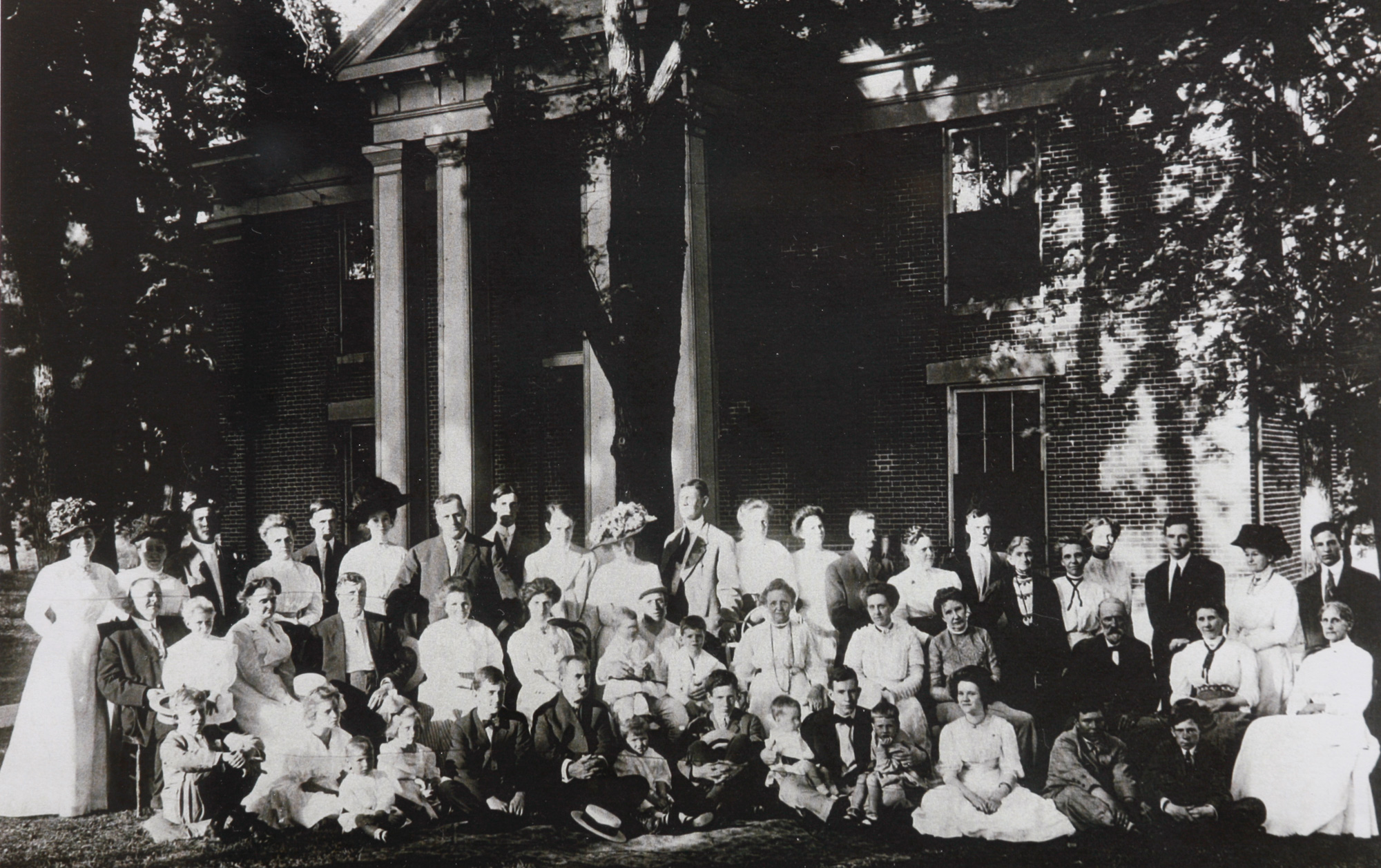
The Wornall Family
The Wornalls were early pioneers of Jackson County, Missouri, and were prominent citizens of Kansas City and Westport. John Wornall made a lasting impact on the region through his involvement in religion, politics, real estate, and banking. John’s children and wife preserved the history of Kansas City through their commitment to caring for the Wornall House beyond John’s death.
Who Was John Wornall?
Arriving from Kentucky in 1843, John Wornall and his parents, Judith and Richard, and brother George Thomas purchased 500 acres of land in what is now the Brookside neighborhood of Kansas City, Missouri. The family grew oats, corn, wheat, and hay and raised pigs, horses, and mules, which they sold in Westport. Following the death of his mother and brother, and his father’s return to Kentucky, John was the sole owner of the property by 1849.
Following the Civil War, John turned to other financial opportunities, including politics, banking, and real estate. He was elected to a one-term term as a Missouri state senator in 1870. Known for his philanthropy in the Baptist community, he funded local Baptist churches and was one of the founders of William Jewell College in Liberty, Missouri.
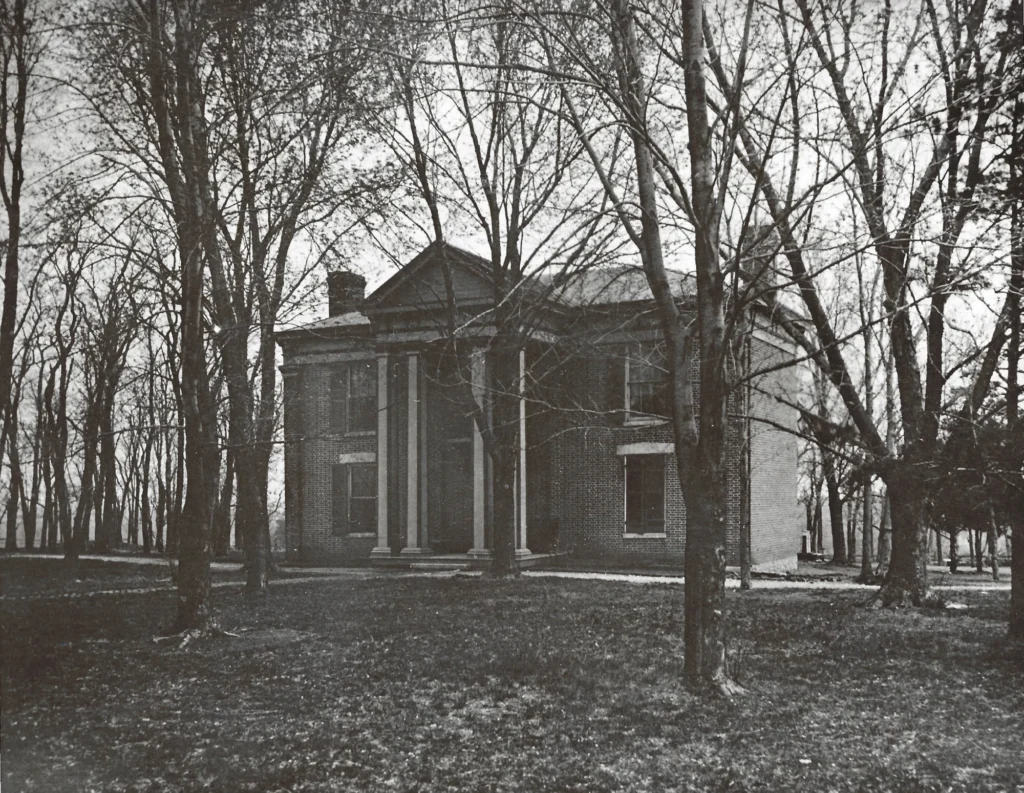
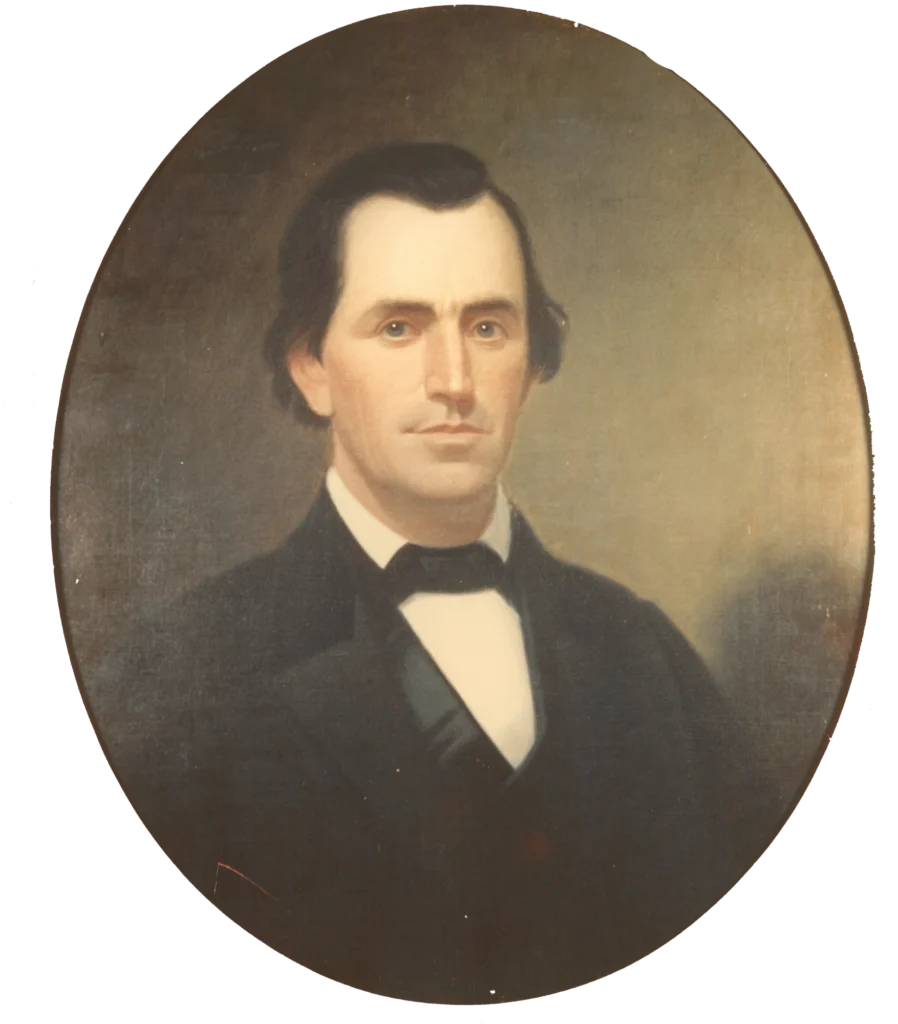
The Wornall Family
Everyone faced high mortality rates in the nineteenth century due to infectious diseases and environmental factors such as sanitation. Women of childbearing age were particularly vulnerable due to the risks of childbirth. John Wornall (1822-1892) was married three times, outliving two of his wives.
John married Matilda Polk of Kentucky in 1851. She died within one year of their marriage of cholera.
In 1854, he married Eliza Johnson. Her father was Rev. Thomas Johnson, the Methodist minister who founded the Shawnee Methodist Mission in Kansas. Johnson was a prominent man who was elected as a member of the Kansas Territorial Legislature in 1855. Eliza gave birth to seven children, only two of whom lived past the age of three: Frank (1857-1954) and Thomas “T.J.” (1865-1922). She died in 1865 due to complications of childbirth.
Most likely keen to remain connected to the Johnson family, John married Roma Johnson, Eliza’s first cousin, one year later. Roma and John had three children: John Jr. (1872-1962), Charles (1876-1938), and an unnamed infant (1867).
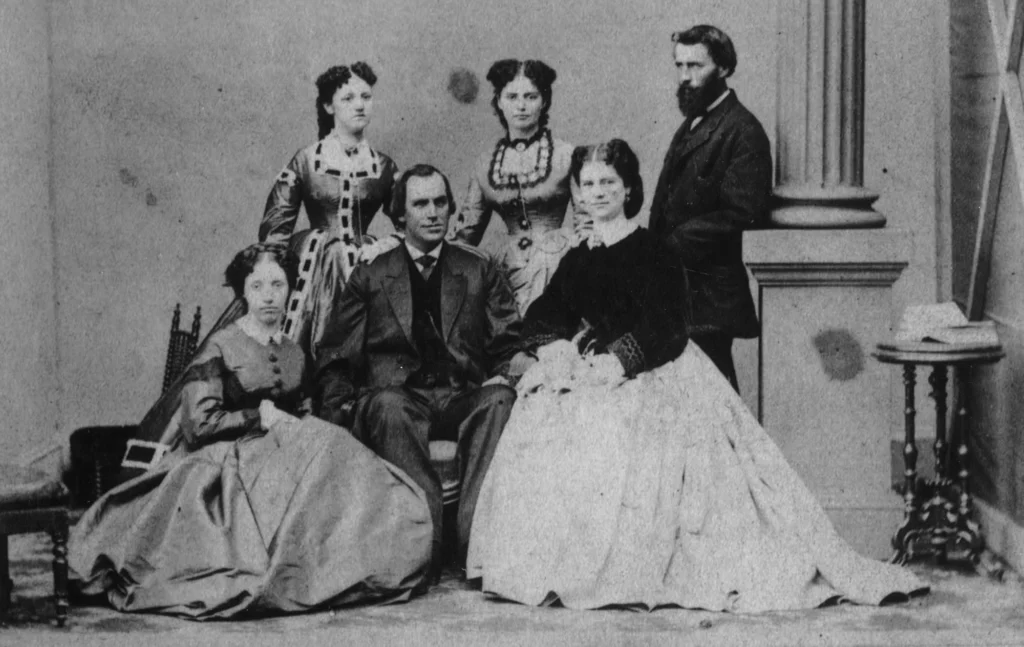
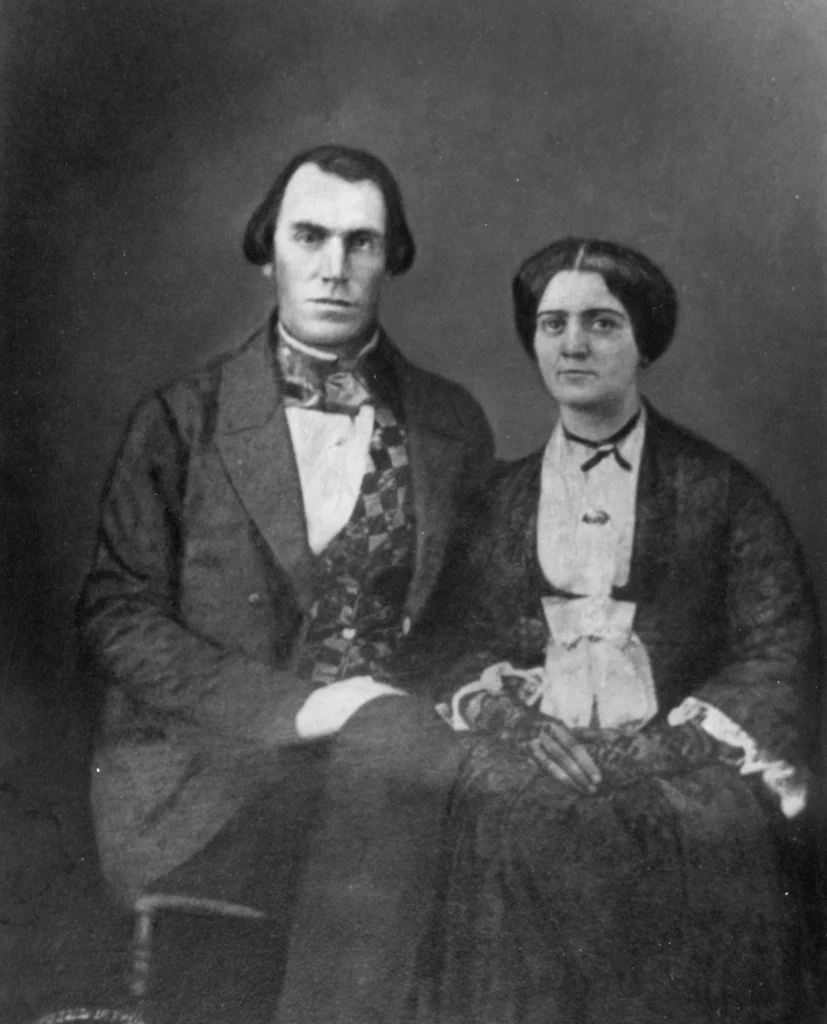
Roma’s Legacy
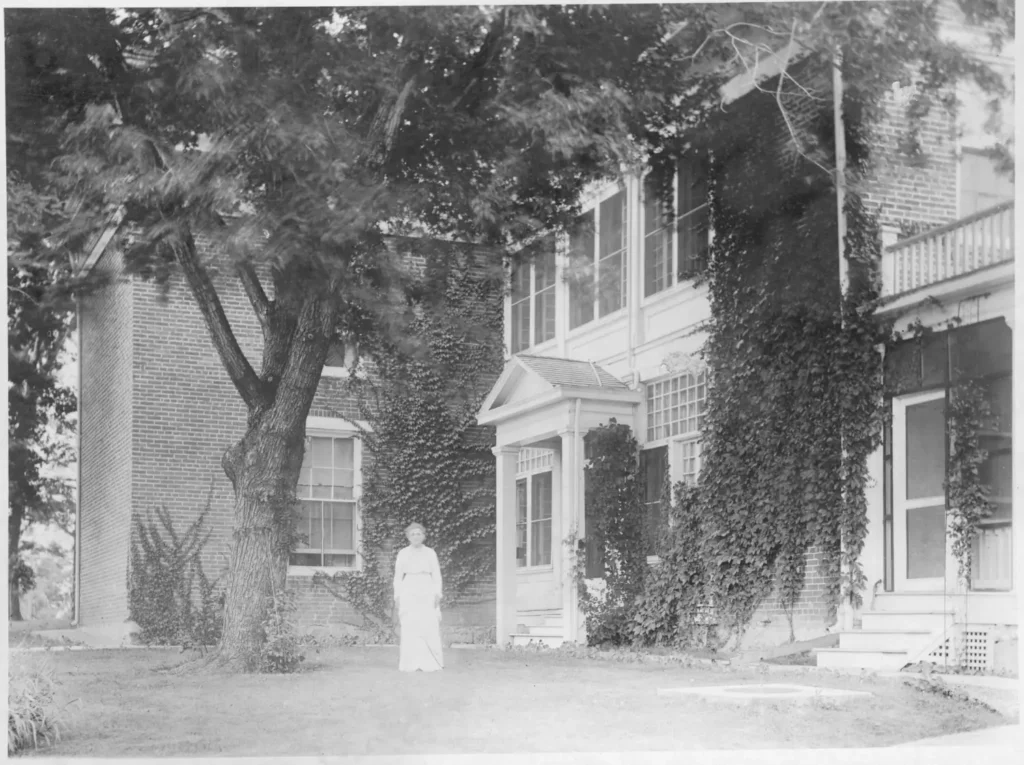
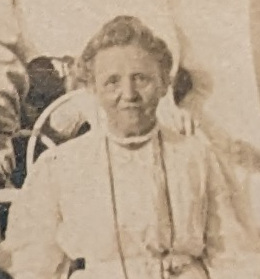
After John’s death in 1892, his widow, Roma, continued to live in the Wornall House for most of her life. In 1909, she sold the house and the remainder of the original farmstead, about 150 acres, to developer J.C. Nichols, who was developing the upscale Country Club housing district. Under Nichols’ ownership, the house served as the first school building for the Kansas City Country Day School (now the Pembroke Hill School).
Roma repurchased the house in 1911, most likely because utilities finally stretched far enough south to reach the Wornall House. She moved back in and modernized and preserved the house, adding electricity, gas, a garage, and indoor plumbing. Roma lived in the Wornall House until her death in 1933. The house was inherited by her son, John Jr., who owned the home until his death in 1962.
Other Residents of the Farmstead
The Wornalls were not the only individuals who lived on the property. Other residents included:
- Unnamed enslaved men and women (six in 1850, four 1860-63)
- Harris Manion, an orphan and John’s ward (c. 1859-1861)
- Silas Dawson & Josiah Bassett, laborers (c. 1860)
- Mittie Pigg, an orphan and servant (c. 1862)
- Kiziah Johnson, Roma’s mother (c. 1870)
- Reuben & Walter Johnson, Roma’s brothers (c. 1870)
- Lucilla Johnson, Roma’s sister (c. 1870-1934)
- Fleming Collier, farmer (c. 1870)
- Rose Barnet & Lizzie Wells, servants (c. 1870)
- Louisa Custard, servant and cook (c. 1870)
- Cyrus Cook, servant and farm laborer (c. 1870)
- Unnamed servants (c. 1880-1910)
More History to Explore>>
Support These Stories
Help Wornall/Majors make history accessible and preserve two Kansas City landmarks.